
-
 Food safety experts say contaminated water in farm fields is a likely culprit. But questions still remain about the current outbreak.
 -
 When Congress allowed Affordable Care Act tax credits to lapse, healthcare premiums spiked for millions of Americans — especially self-employed farmers and ranchers. That added cost is multiplying the stress on their already stretched balance sheets.
 -
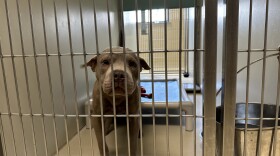 Animal rescue leaders say new rules meant to prevent the spread of the livestock parasite make sense. But they are also costly for overcrowded shelters in Texas, which transfer many pets to other states.
 -
 Corn and soybean growers have seen several years of low commodity prices and increased costs for supplies like fertilizer and fuel. That has many farmers worried about whether they'll turn a profit this year and drawn some comparisons to a dark time in American agriculture.
 -
 Attorneys say cases that claim the popular weedkiller causes cancer will have to change course to move forward in court after the U.S. Supreme Court sided with the agriculture company last month.
 -
 Pesticide pollution is a problem especially in the middle of the country. And sometimes there's enough of it to possibly hurt aquatic plants and animals.
 -
 For 150 years, silos have been a fixture of the Corn Belt, but efforts to preserve them have been haphazard.
 -
 The majority of tornadoes this year have blasted through states in the Midwest and Southeast, including Illinois, Missouri, Indiana and Iowa. Tornado activity has been increasing east of the Great Plains in recent decades.
 -
 A preliminary court order reinstated federal grants largely helping Black, Indigenous, veteran and immigrant farmers access land, which the U.S. Department of Agriculture cut earlier this year. Now, organizations are cautiously moving forward with their projects.
 -
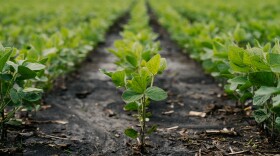 New federal rules for dicamba aim to help cotton and soybean farmers control weeds. But the herbicide, which can kill other crops and trees, remains controversial.
© 2026 KMUW
Play Live Radio
Next Up:
0:00
0:00
Available On Air Stations


