
-
 Conflicts in Iran and Russia are causing diesel prices to spike globally. That’s especially hurting U.S. farmers as they head into harvest season, the most fuel intensive period of the agricultural year.
 -
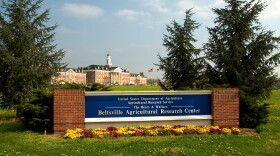 Federal scientists are still scrambling to find new jobs or relocate across the country as Maryland’s Beltsville Agricultural Research Center’s last days of operation approach. Even as their personal lives upend, employees are concerned that BARC’s legacy of impactful research will be left behind.
 -
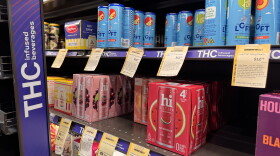 Beginning in December, new federal restrictions will make many hemp products illegal. Businesses in the industry are getting ready to close down most or all of their operations, while advocates hope there's still time to change course before the ban begins.
 -
 More than 5 million people are no longer getting food aid in the wake of a slew of cuts and changes to the Supplemental Nutrition Assistance Program. As changes to the program continue to unfold, rural Americans face unique problems.
 -
 Warmer-than-normal-temperatures in the Pacific Ocean are driving what could be the strongest El Niño on record. Here’s how that’s likely to impact weather across the central U.S this year.
 -
 A decade ago, a federal task force announced a plan to help monarch butterflies along their great migration. The six-state effort along Interstate 35 didn’t take off as expected, but some roadsides are blooming anyway.
 -
 After trade talks between the countries fell apart last month, the Trump administration and Canada's leaders have rolled out new tariffs on everything from dairy products to machinery. Experts say farmers will likely feel the squeeze on both ends.
 -
 State officials can’t spend billions in federal funding to connect remote areas to the internet until the Trump administration provides information on how to use the money. Broadband offices are hopeful guidance is on the way – but when remains unclear.
 -
 The Natural Resources Conservation Service lost nearly a quarter of its staff nationwide in 2025 after the Trump administration’s cuts to the federal government. Many were local experts that help farmers with soil and water conservation efforts.
 -
 The Trump administration has tried to lower beef prices for months, but demand, drought and a parasite have foiled its efforts. Some ranchers are frustrated with the administration’s latest moves.

© 2026 KMUW
Play Live Radio
Next Up:
0:00
0:00
Available On Air Stations


